As an Amazon Associate, VEOJEIN earns from qualifying purchases made through links on this site. This never changes the price you pay.
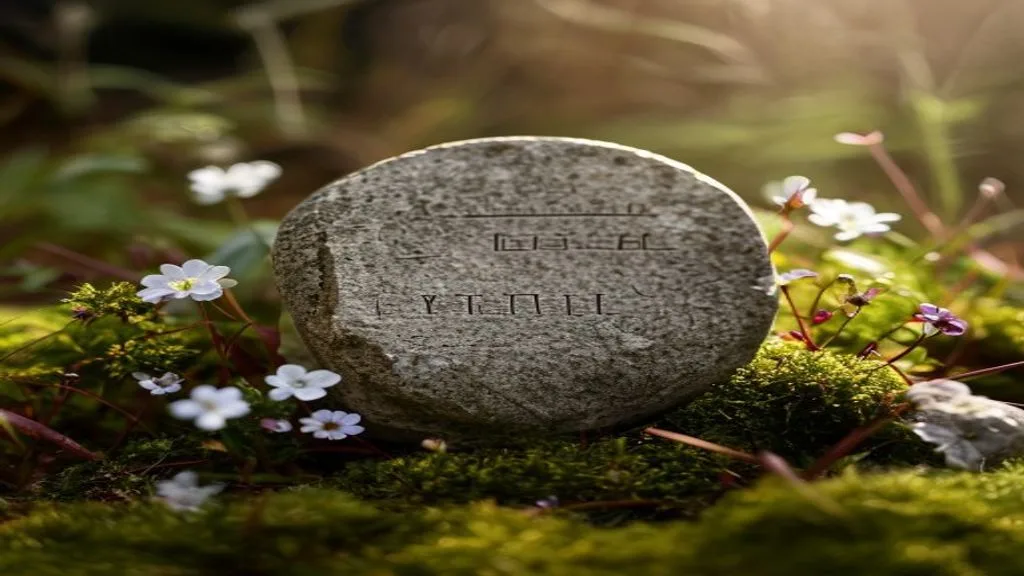
The short version: Pets get a strange amount of grief literature relative to how much grief they actually cause. They aren't supposed to die before us, and yet they almost always do. After 12 or 15 years of presence, a dog or cat leaves behind a specific kind of absence, small but daily.
Pets get a strange amount of grief literature relative to how much grief they actually cause. They aren't supposed to die before us, and yet they almost always do. After 12 or 15 years of presence, a dog or cat leaves behind a specific kind of absence, small but daily. The pet memorial stone has emerged as the most-chosen way to mark that absence outdoors. Here's what works.
What pet grief is actually like
Animal-loss research shows pet grief follows the same emotional pattern as human grief, but with fewer rituals. There's no funeral. No casseroles from neighbours. No card from work. The household drops one set of small daily rituals, feeding, walking, the way the pet would greet you when you came home, and there's a strange hollow shape where those routines used to be.
The hollow is what a memorial stone addresses. It gives the loss a permanent, visible marker, which both honours the relationship and provides a place to direct ongoing feelings. Many pet owners report that having a memorial stone helps them mark the anniversary of the loss in a way they wouldn't otherwise, visiting the stone, sitting nearby, talking to it.
Material and durability outdoors
Pet memorial stones live outdoors. The same durability rules apply as for any garden stone: avoid hollow plastic (cracks in winter), favour resin composite or natural stone, look for UV-stable inks if hand-painted.
A practical consideration most people skip: weight. A 9-inch resin stone weighs 2-4 pounds. Heavy enough to stay put, light enough to move if you ever relocate. A natural granite stone of the same size weighs 12-15 pounds and is essentially permanent once placed.
For most situations, resin composite hits the right balance. It looks like stone, lasts a decade or more outdoors, and can be repositioned if you change your mind about the location.
Design considerations
Paw print designs are the visual shorthand for pet stones. They read instantly, work for any species, and avoid the harder choice of including a specific animal silhouette. A paw-print-with-name design is the safest gift choice for someone else's loss.
Species-specific silhouettes (a dog profile, a cat curled up, a bird in flight) work when you know the pet well enough to choose accurately. A cat owner doesn't want a generic dog silhouette.
Inspirational quotes are tricky. 'Until we meet again' lands well for some people and feels too religious for others. 'Forever loved' is more universal. 'A good boy' or 'a good girl' is direct and works for many dog owners but reads strange for cats. When in doubt, keep it to the name and dates.
Where to place a pet stone
The location does more work than the design. Three good choices, in order of how often they work: the pet's favourite outdoor spot (under a specific tree, beside a particular bush, at the edge of the patio they preferred); near where you can see it from your daily routine (visible from the kitchen window, beside the back door); under a new planting installed specifically to mark the loss (a new shrub, a small ornamental tree, a perennial that blooms on a meaningful date).
Avoid: directly on a path where it'll be stepped on or mowed over; in a remote corner where you won't see it; in a fully shaded spot where moss and decay accelerate.
The stone can stay where you place it for decades. Resin and stone don't care about winter. Settled into soil and surrounded by plants, the stone becomes a permanent feature of the yard.
If someone else lost a pet
Pet memorials are one of the few situations where a gift is almost always appreciated. The grief is real, the social acknowledgment is usually thin, and a small gesture lands harder than it would in most other contexts.
Send a hand-painted memorial stone with the pet's name (if you can get it discreetly), a brief handwritten note acknowledging the loss, no expectation of a reply. Wait 2-4 weeks after the loss to send, the immediate days are overwhelming.
Skip flowers (they wilt), cards alone (they feel insufficient), and anything that asks the recipient to make decisions or take action. The stone is meant to sit and accumulate meaning over time, which is exactly what the recipient needs.
Frequently asked questions
What should I inscribe on a pet memorial stone?
The pet's name and dates is the most common choice and the safest. Some people add a short phrase ('our gentle boy', 'always loyal', 'forever loved'). Avoid long sentimental inscriptions, they're harder to read and date faster.
Should I bury my pet under the stone?
Local laws vary. In most US states, burying a pet on your own property is legal if the grave is at least 3 feet deep and not near water sources or property lines. Check local ordinances. Many people instead bury cremated remains, which is less restricted.
Are pet stones different from human memorial stones?
Not structurally, the same materials and forms work for both. The designs differ: pet stones often feature paw prints, animal silhouettes, or 'Forever in our hearts' messaging. Tone tends to be slightly less formal.
Where should I place it?
Somewhere the pet used to be, their favourite spot in the yard, under a tree they napped under, beside the door they used to come in. The location is what makes the stone work; the carved design is secondary.
Is it appropriate to give a pet memorial stone as a gift?
Yes, with care. Wait at least 2-4 weeks after the loss. Include a brief note. Keep it simple, a hand-painted angel or a paw-print design with the pet's name. Don't surprise the recipient by appearing in person; mail or deliver while they're not home.